

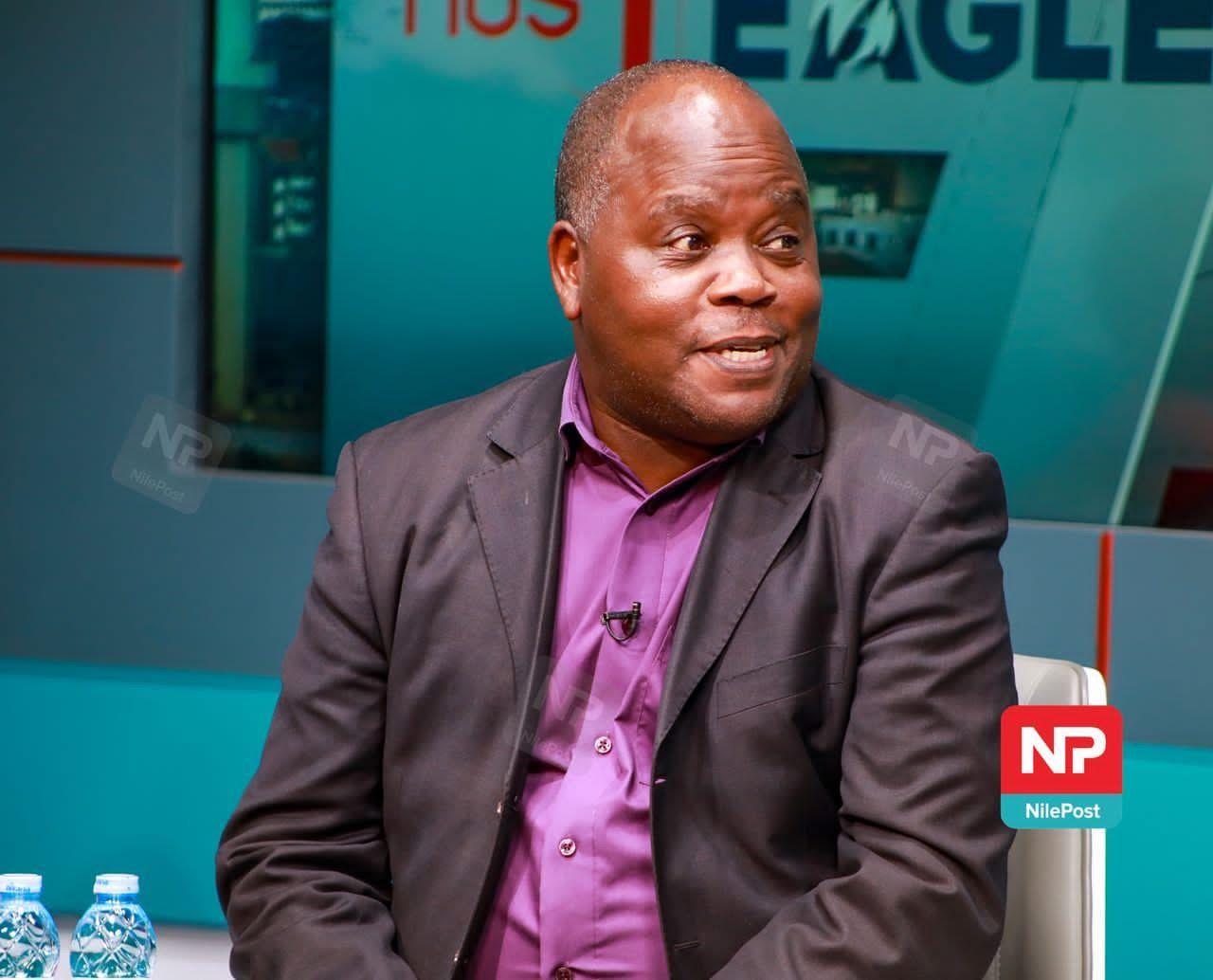
The National Chairman of the Democratic Front, Samuel Walter Lubega Mukaaku, has criticized the withdrawal of the Administration of Parliament (Amendment) Bill, 2024 by Mityana South Member of Parliament Richard Lumu.
Speaking during NBS Eagle on Sunday, Mukaaku said he had initially supported the proposed legislation, describing it as a necessary reform aimed at improving the administration and internal democracy of Parliament.
“I supported Lumu’s bill because it was intended to change the administration of Parliament. However, he let me down when he chose to withdraw the bill,” he said.
Mukaaku added that the principle of proposition powers — the authority to designate certain parliamentary leadership positions — should remain with the appointing authority under the current parliamentary framework. According to him, any reforms should be carefully structured to avoid weakening institutional order.
His remarks come days after Lumu formally withdrew the Administration of Parliament (Amendment) Bill, 2024 during Thursday’s plenary sitting.
The proposed legislation sought to change the method through which the Leader of the Opposition (LoP) is selected in Parliament. Under the current system, the LoP is appointed by the opposition political party with the largest number of Members of Parliament.
Lumu’s bill proposed an alternative arrangement in which all opposition MPs would directly elect the Leader of the Opposition through a vote. Supporters argued that the proposal would strengthen internal democracy within the opposition and allow all opposition legislators to participate in choosing their leadership.
However, the proposal faced resistance from several opposition legislators across different political parties, including the National Unity Platform, Democratic Party, Forum for Democratic Change, and Uganda People's Congress.
While defending his decision to withdraw the bill, Lumu told Parliament that many legislators from across the opposition were not in favor of the proposal. He also warned that the amendment could potentially be misused by external political interests.
According to Lumu, there were concerns that the elective system could open the door for manipulation by actors outside the opposition, including possible influence from members of the ruling party.
Critics of the proposal further argued that the bill had been drafted in bad faith and could weaken the opposition’s ability to coordinate strategy and effectively hold the government accountable.
Under the existing arrangement, the position of Leader of the Opposition is designated by the opposition party holding the largest number of parliamentary seats, a system that ensures the largest opposition bloc maintains strategic control over its leadership in Parliament.
